
Sump Pump Replacement in Moline, IL
When a sump pump fails, your basement is unprotected. Learn the signs a pump needs replacement, how backup systems keep your home dry, and get help when you need it most.
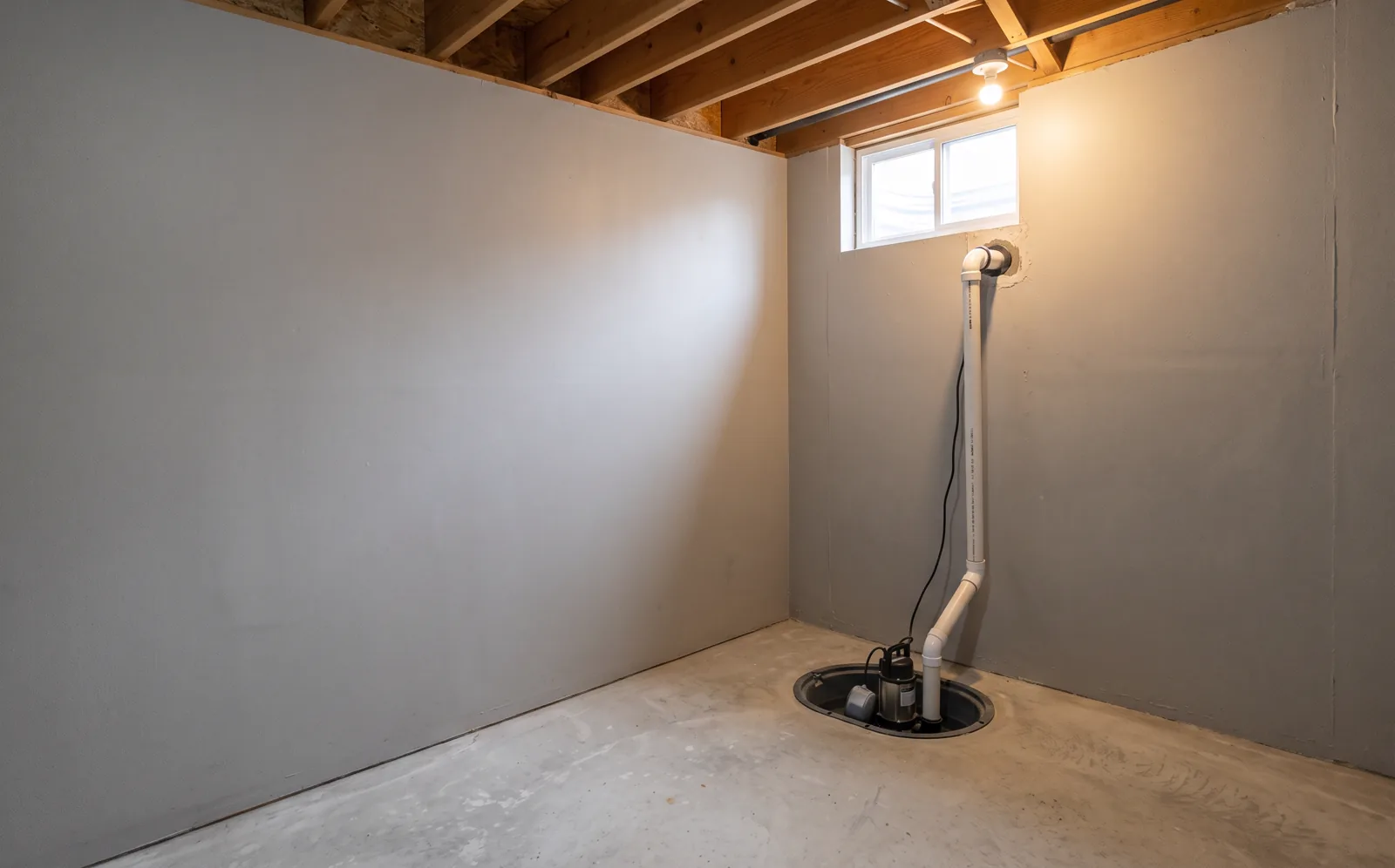
When does a sump pump need replacement?
A sump pump should be considered for replacement when it no longer removes water reliably, has failed more than once, or is roughly 7 to 10 years old with a worn motor, switch, or impeller.
Pumps that run constantly, cycle too often, or leave water standing in the basin are usually signaling a problem. Some issues are repairable, such as a stuck float switch or a clogged inlet. Others point to a pump that has reached the end of its service life.
Understanding the difference matters. A sump pump repair in Moline can fix isolated faults, while a full replacement restores reliable protection when the unit itself is worn out.
- The pump is roughly 7 to 10 years old or older
- It has failed or stopped moving water more than once
- It runs but the water level in the pit never drops
- It makes grinding or rattling sounds while running
- The motor hums without pumping, or trips its circuit
Help for every stage of sump pump care
From emergency repair to preventive maintenance, Moline Sump Pump Service provides information and help for the systems that keep basements dry throughout the year.
Sump Pump Repair
When a pump makes noise, runs constantly, or stops moving water, repair can often restore function. Learn the most common faults and when fixing makes sense.
Explore repair →Sump Pump Installation
New builds, finished basements, and outdated systems all need proper installation with correct sizing and discharge routing.
Explore installation →Battery Backup Sump Pump
A backup pump takes over during power outages, the moment primary pumps most often fail. See how a secondary system works.
Explore backup systems →Sump Pump Maintenance
Seasonal checks catch worn switches, clogged inlets, and failing valves before a storm exposes them.
Explore maintenance →Sump Pump Inspection
A systematic evaluation of the pit, pump, float switch, check valve, and discharge line to confirm the system is ready.
Explore inspection →Discharge Line Repair
Clogged, frozen, or poorly routed discharge piping sends water right back to the pit. Learn how outflow problems are fixed.
Explore discharge repair →Common sump pump failure symptoms
These are the signs homeowners most often notice before a pump stops protecting the basement and water begins to collect.
Won't start
A pump that stays silent when water rises may have a failed switch, a tripped circuit, or a burned-out motor.
Runs continuously
A pump that never shuts off may have a stuck float, a failed check valve, or an undersized unit.
Loud operation
Grinding, rattling, or excessive noise often signals a failing impeller or motor bearing.
Water level stays high
If water remains in the pit after a cycle, the pump may be losing capacity or the discharge is restricted.
Frequent cycling
Rapid on-off cycling shortens pump life and usually points to a switch or pit-sizing problem.
Repeated failures
A pump that has failed more than once is telling you it has reached the end of its service life.
Noticing any of these? Reach out or call (309) 555-0148 to discuss what you're seeing. Describing the symptom you notice helps narrow down the likely cause quickly.
How a Moline sump pump system works
Understanding the parts helps you spot problems early and make better replacement decisions.
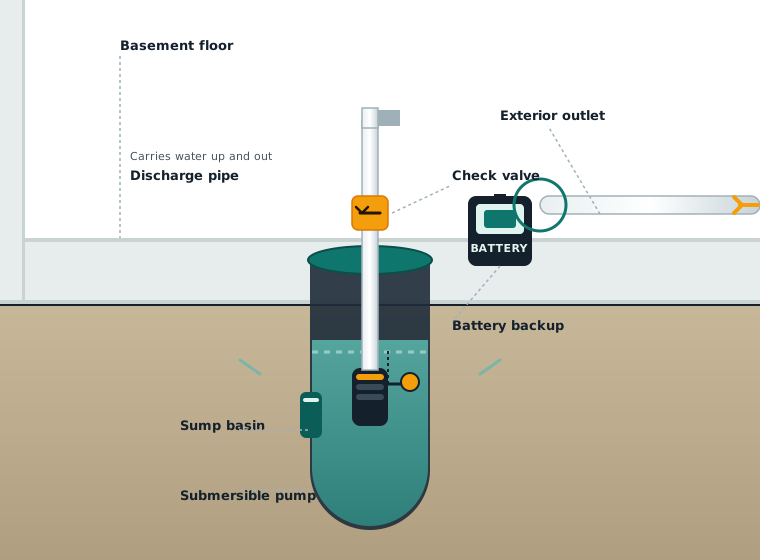
The sump pit and basin
Water from the foundation drainage system collects in a sump pit, a lined basin set into the lowest point of the basement floor. The pit gives water a single place to gather so the pump can move it out before it spreads across the floor.
Pit depth and diameter matter. A shallow or undersized pit causes rapid cycling, while a well-sized basin lets the pump complete full, efficient cycles.
The pump itself
Most Moline-area homes use a submersible pump that sits inside the pit and pushes water upward through a discharge pipe. A submersible design runs quietly and keeps the motor below the floor, while a pedestal pump keeps its motor above the pit.
Pump capacity is measured against how much water the pit receives and how high the discharge must lift it, a figure called head height.
The float switch
A float switch tells the pump when to turn on and off. As water rises, the float lifts and closes the switch; as the pit drains, it drops and stops the pump. Stuck or failing float switches are among the most common causes of pumps that run constantly or never start.
The check valve and discharge line
A check valve sits on the discharge pipe and closes when the pump stops, preventing water already in the pipe from flowing back into the pit. Without a working check valve, the pump recycles the same water repeatedly. The discharge line then carries water up and out, ideally discharging away from the foundation.
When discharge piping clogs or freezes, water has nowhere to go, so the pump works harder and eventually fails. See discharge line repair for more.
The backup pump and alarm
A battery backup pump sits beside the primary pump and takes over when household power fails or the main pump cannot keep up. Many systems also include a high-water alarm that sounds if the water rises above its normal operating level, giving you warning before a failure becomes a flood.
Where systems usually fail
Most failures trace back to a handful of components. The float switch sticks, the check valve loses its seal, the intake clogs with debris, or the discharge line becomes blocked or frozen. Because these parts wear gradually, they often fail at the same time a storm arrives — which is why testing the system before the wet season is so important.
The four most common reasons a sump pump stops working
When a Moline homeowner says "my sump pump is not working," the cause usually falls into one of these categories.
Stuck float switch
The float that turns the pump on and off can stick against the pit wall or become obstructed. The pump then either runs constantly or never starts when water rises.
Failed check valve
When the check valve no longer seals, water in the discharge pipe pours back into the pit. The pump re-moves the same water over and over, wearing itself out.
Clogged discharge
A blocked or frozen discharge line gives the water no place to go. The pump keeps working against a closed system until it overheats or the pit overflows.
Power or motor failure
A tripped circuit, a failed capacitor, or a burned-out motor leaves the pit unprotected. This is the failure a battery backup is designed to cover.
Most of these problems announce themselves through the symptoms in the checker above. Catching them early is what sump pump maintenance and a quick seasonal test are all about.
Should you repair or replace your sump pump?
The right call depends on age, failure history, and the condition of the components. A simple switch or discharge issue can often be fixed, but a worn motor or a pump that has failed repeatedly is usually better replaced.
| Factor | Repair | Replace |
|---|---|---|
| Age of pump | Under ~7 years, generally sound | Roughly 7–10+ years old |
| Failure history | First isolated fault | Failed more than once |
| Motor condition | Motor still healthy | Burned out or worn |
| Cost over time | Lower now | Often better long-term value |
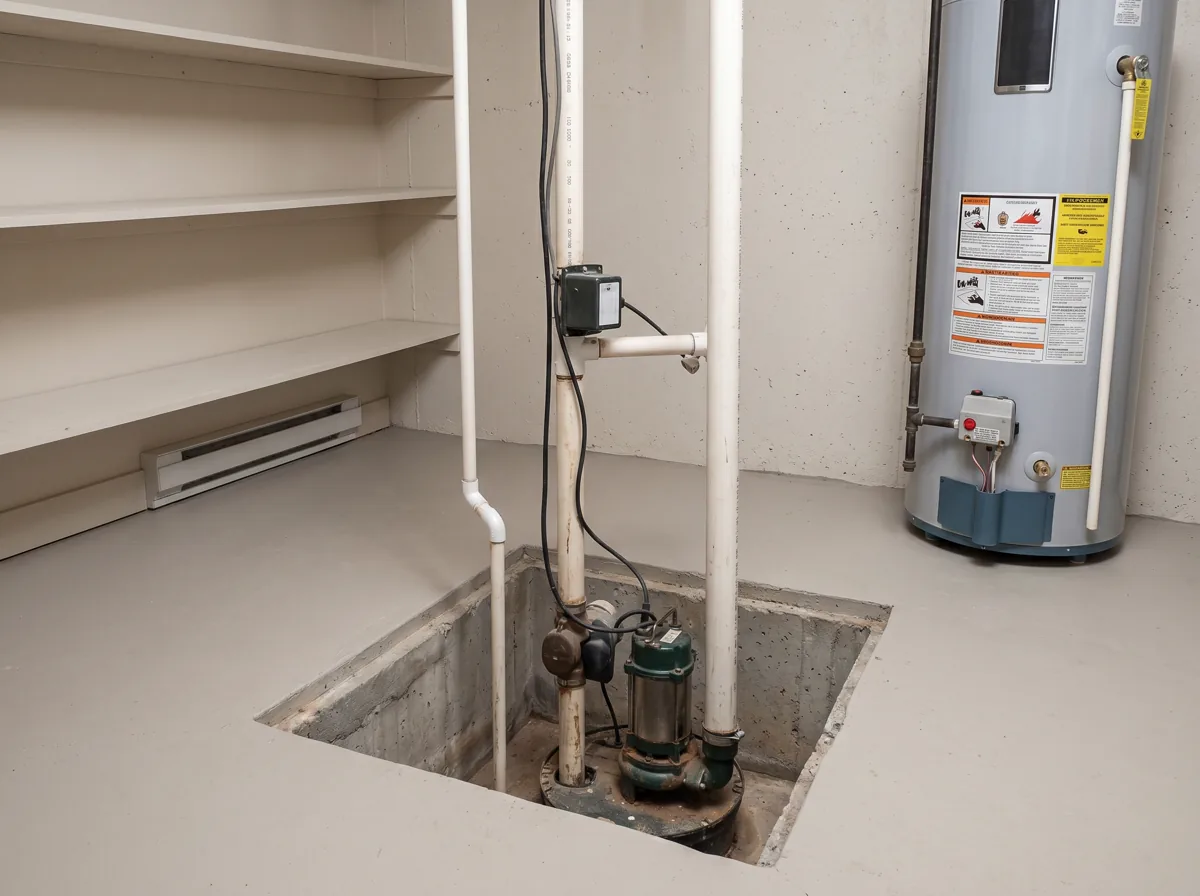
How sump pump replacement works
A clear, step-by-step look at what goes into replacing a failing system.
Evaluate the system
Inspect the pit, pump, float switch, check valve, and discharge line to understand why the current unit is failing.
Confirm the right pump
Match pump type and capacity to pit size, groundwater volume, and discharge head height for reliable operation.
Remove the old unit
Safely disconnect power and lift out the failed pump, then clean the pit so the new unit sits correctly.
Install and test
Set the new pump, connect the discharge and check valve, and test full cycles to confirm the water is removed.
A careful replacement does more than swap the pump — it confirms the whole path, from the pit to the outdoor outlet, is working as one system. That is what separates a lasting fix from a short-lived one.
Why a battery backup matters
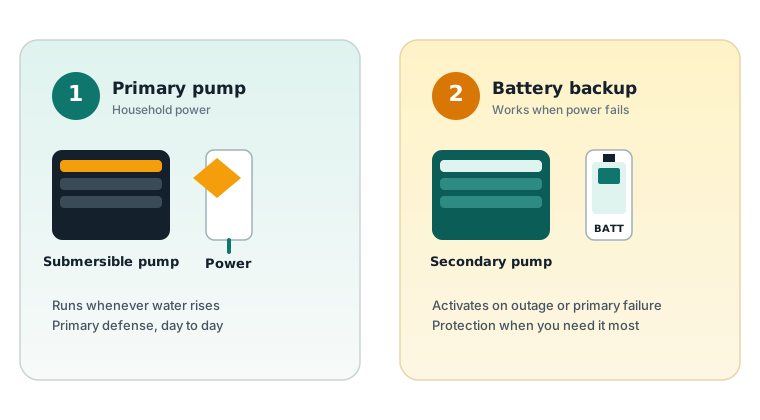
Primary sump pumps fail most often during heavy storms, which is exactly when power outages are most likely. A battery backup sump pump sits in the same pit and activates when the main pump loses power or cannot keep up.
Backup systems are not a luxury for finished basements. They provide a second line of defense that protects belongings, flooring, and finishes when the primary system cannot run.
Learn about backup systems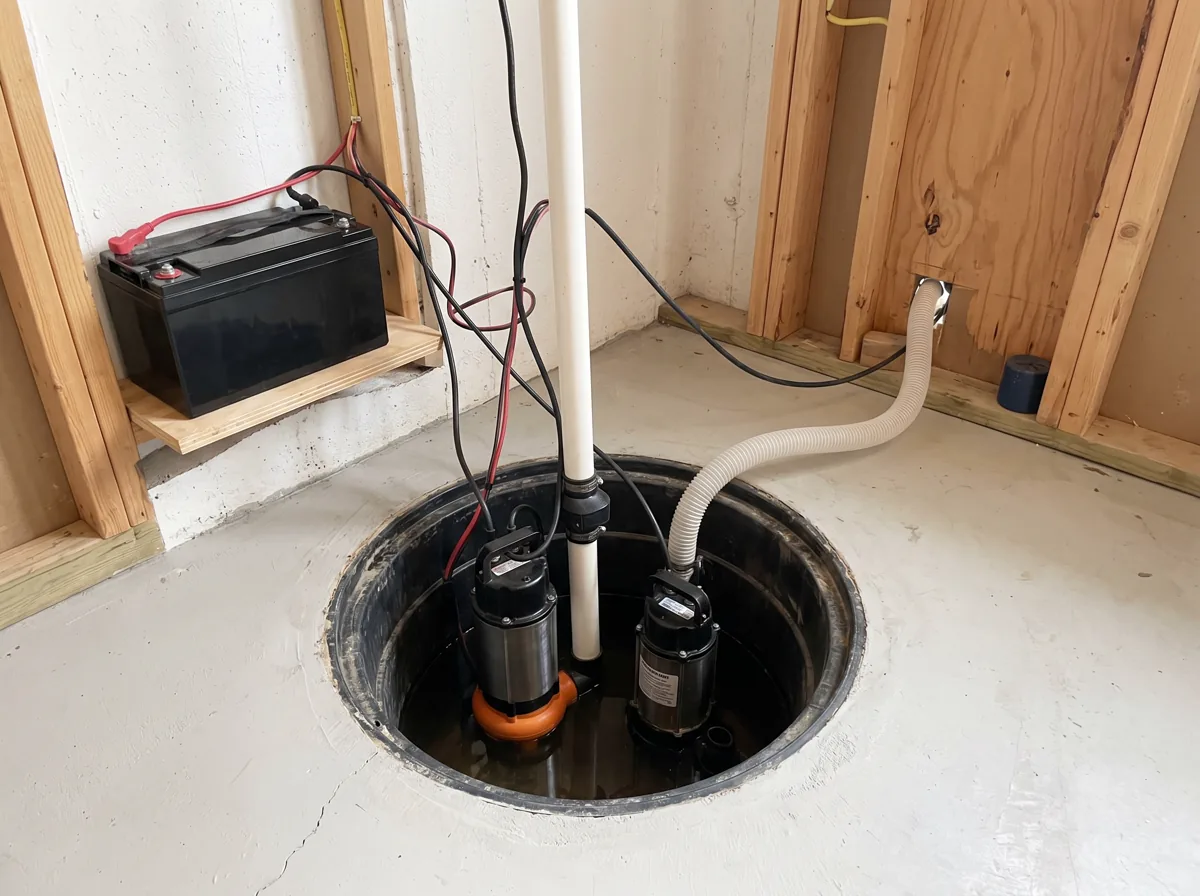
What affects sump pump replacement cost
Every system is different. These are the factors that most influence the final cost of a replacement in Moline.
Pump type and capacity
Submersible pumps, pedestal pumps, and higher-capacity units vary in cost. A larger pump for a high-volume pit costs more than a basic model, and the choice should follow the pit's actual water volume rather than price alone.
Pit and discharge condition
If the pit needs cleaning or the discharge line, check valve, or piping requires repair, that adds to the scope of work. A replacement that also fixes the outflow path is more valuable than one that leaves a worn line in place.
Backup system add-ons
Adding a battery backup pump or a high-water alarm increases protection and cost. Many homeowners add backup protection at replacement time, when the pit is already open and the work can be combined.
Labor and access
How easy the pit is to reach and how much disassembly the discharge connection requires affect the time involved. Straightforward, accessible systems are faster to replace than cramped or awkward ones.
Pricing is confirmed during evaluation, when the specifics of your system can be seen firsthand. Call (309) 555-0148 to discuss your situation.
Maintenance that extends pump life
Regular care keeps a sump pump working longer and catches problems before a storm. A few minutes of attention each season makes a meaningful difference in how long the system lasts.
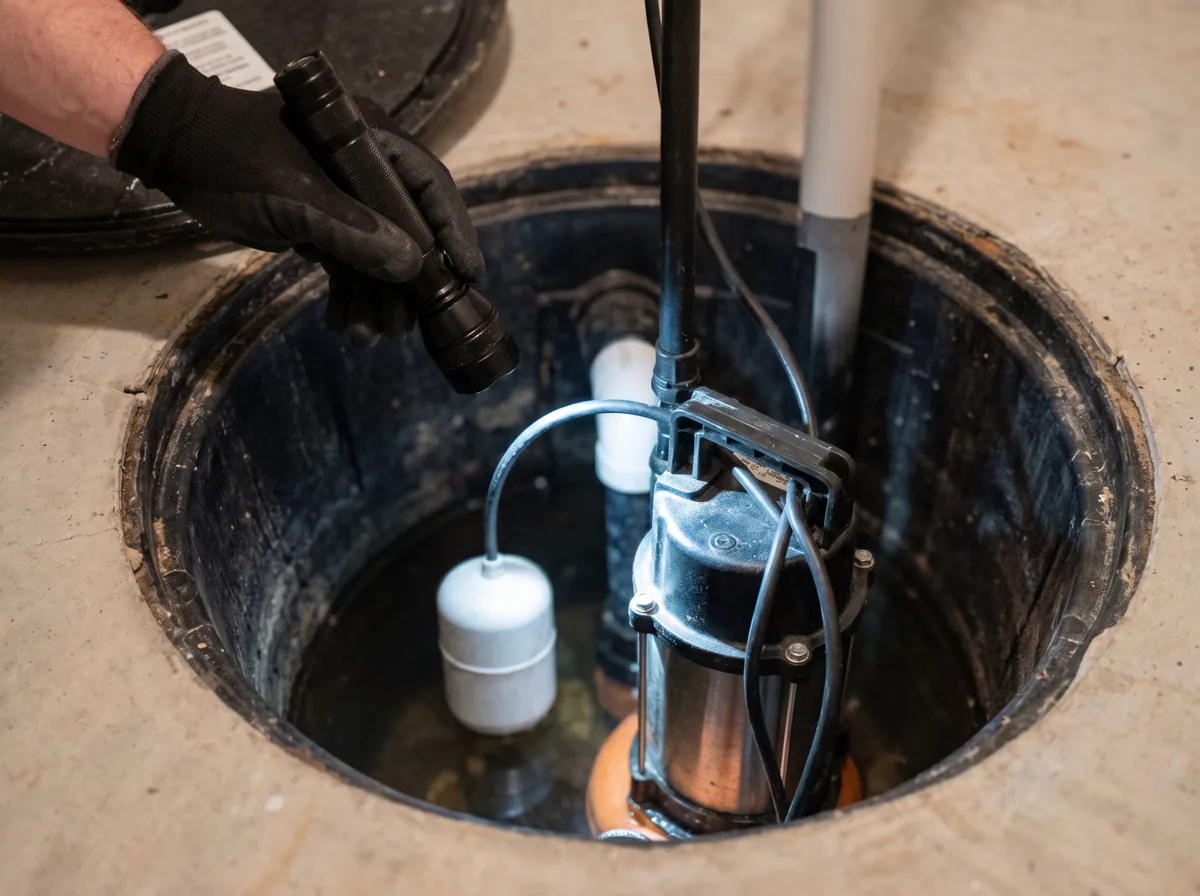
The single most useful habit is a simple water test: pour a bucket of water into the pit and watch the pump start, move the water, and shut off cleanly. If any part of that cycle looks wrong, it is worth a closer look before the next heavy rain.
- Test the pump by pouring water into the pit and watching for a complete cycle.
- Check that the float switch moves freely and is not obstructed.
- Confirm the discharge line runs clear and exits away from the foundation.
- Listen for grinding or unusual noise during operation.
- Keep the pit free of debris that can clog the inlet.
Serving Moline and the surrounding Quad Cities
Help with sump pump replacement and repair is available across the greater Moline area, including the Illinois Quad Cities communities listed below. No matter which community you are in, the same clear, step-by-step guidance applies.
What to have ready when you call
A few details help describe your situation clearly and get to the right answer faster.
- Whether the pump is running right now
- The current water level in the pit
- Any unusual sounds you have noticed
- How often the pump cycles on and off
- Whether a backup system is installed
- Any recent power outages in the area
- Visible problems with the discharge outside
- The pump's approximate age, if known
Ready to talk it through?
Call and describe what you're seeing. You'll get clear guidance on whether repair or replacement is the right next step.
Call (309) 555-0148Frequently asked questions
How do I know if my sump pump needs to be replaced instead of repaired?
A sump pump usually needs replacement when it has failed more than once, runs but no longer removes water, is more than 7 to 10 years old, or has a damaged motor, switch, or impeller. A professional evaluation can confirm whether repair or replacement is the better value.
How long does a sump pump replacement take?
A straightforward replacement in a standard pit typically takes a few hours. The exact time depends on pit condition, discharge piping, and whether a backup system is added at the same time.
What size sump pump do I need for my Moline home?
Sizing depends on pit depth, groundwater volume, and discharge head height rather than home square footage alone. A professional can match pump capacity to your specific pit and drainage conditions.
What is the difference between a submersible and a pedestal sump pump?
A submersible pump sits inside the pit and is quieter and more common in finished basements. A pedestal pump keeps its motor above the pit, which can make it easier to service but noisier and more visible.
Do I need a battery backup sump pump?
A battery backup is strongly recommended if your basement holds valuables or finished space, because primary pumps fail most often during storms and power outages when protection is needed most.
Why is my sump pump running constantly?
Constant running often points to a stuck float switch, a failing check valve, a clogged discharge line, or a pump that is undersized for the groundwater it receives. An inspection can identify the cause.
What does it cost to replace a sump pump in Moline?
Cost varies with pump type, capacity, pit condition, discharge work, and any backup system. Pricing is confirmed during evaluation rather than quoted without seeing the system.
How often should a sump pump be inspected or maintained?
Most systems benefit from inspection and testing at least once a year, and again before the wet season. Regular checks catch worn switches, clogged inlets, and failing check valves early.
Can I replace a sump pump myself?
Replacement involves water and electricity, which creates real safety risk. Most homeowners are better served by a professional who can also verify discharge piping, the check valve, and the electrical connection.
What should I do if my sump pump fails during heavy rain?
Avoid entering standing water that may be energized. From a safe, dry position, note whether the pump is running, the water level, and any unusual sounds, then call for help.
Get your sump pump working again
Talk through what's happening with your system and get clear guidance on the right next step.