
What does a sump pump inspection check?
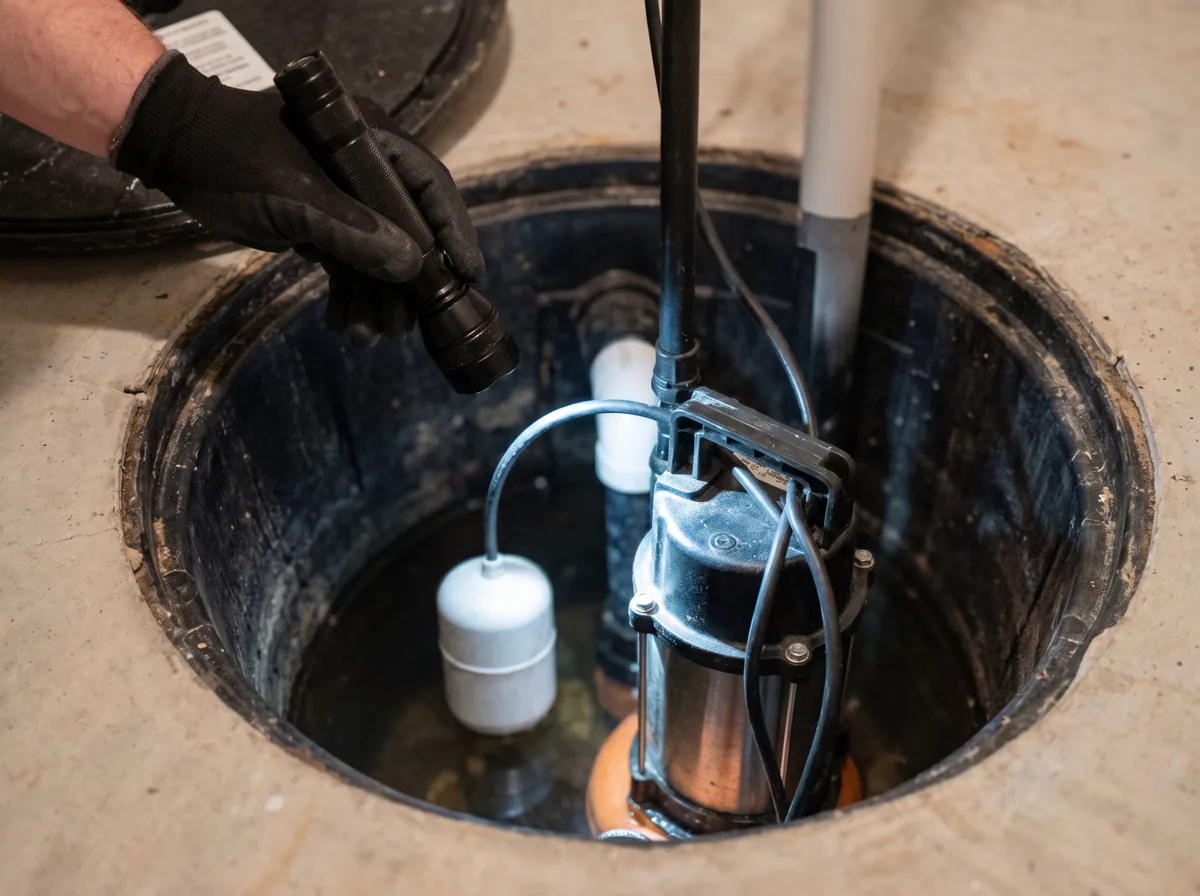
An inspection reviews the sump pit, the pump, the float switch, the check valve, the discharge line, and the electrical connection, then runs a test cycle to confirm the pump starts, moves water, and shuts off correctly.
An inspection is different from maintenance. Maintenance keeps a system in good condition; inspection is a condition assessment that confirms whether the system is actually ready, and identifies anything that needs repair or replacement.
The two work well together: inspection tells you what is needed, and maintenance keeps a healthy system that way.
For homeowners unsure whether a problem is real, an inspection provides a clear answer about what the system needs — whether that is a simple sump pump repair or a full sump pump replacement in Moline.
It is also the most reliable way to answer a common question: "Is my sump pump still good?" Instead of guessing from noise or age alone, an inspection measures how the system actually performs, so the answer is grounded in what the equipment is really doing.
The components an inspection evaluates
| Component | What is evaluated |
|---|---|
| Sump pit | Size, depth, cleanliness, and whether water is entering and draining as expected. |
| Pump | Age, condition, capacity, and whether it moves its rated volume of water. |
| Float switch | Free movement and correct on/off activation levels. |
| Check valve | Seal integrity and whether water runs back into the pit. |
| Discharge line | Clear flow, correct slope, and an outlet away from the foundation. |
| Electrical | Connection condition and proper ground-fault protection. |
Each component is checked not just for whether it works today, but for whether it is likely to keep working. That forward-looking read is what turns an inspection into real protection rather than a simple pass-fail test.
What an inspection can and cannot tell you
An inspection tells you how the system is performing right now and whether each component is in good condition. It can catch a sticky switch, a weak valve, a clogged intake, and a pump that has lost capacity.
What an inspection cannot do is guarantee the future. A pump that tests well today could still develop a problem next season. That is precisely why inspections are recommended on a schedule rather than done once and forgotten. Regular checks shrink the window in which an unseen problem can develop.
Understanding this distinction helps set the right expectation: an inspection is a snapshot of current condition, not a warranty. But it is a highly useful snapshot, and it is the best available way to confirm a system is ready.
When an inspection makes sense
An inspection is valuable any time you are unsure about the system, but these are the most common reasons homeowners schedule one:
- Before buying or selling a home with a sump pump
- After a pump has been making unusual noise
- When the pump cycles more often than it used to
- Before finishing a basement
- Annually, before the wet season
- After any minor flooding or near-miss
Notice the pattern: most of these are moments of transition, when the stakes are high and the system is about to matter more. Inspecting at those moments puts information in your hands exactly when you need it.
Inspections when buying or selling a home
A sump pump inspection is a smart step on either side of a home transaction. For a buyer, it confirms the system is functional and flags any repair or replacement that may be needed soon, which can inform the offer or the negotiation.
For a seller, a clean inspection provides a documented point of confidence about a system buyers often overlook. Identifying a problem in advance is far better than having it surface during the buyer's inspection, when it can delay or complicate a sale.
In either case, the inspection gives everyone a clear, factual picture of the system's condition rather than leaving it to assumption.
How an inspection works
Visual review
Examine each component for wear, debris, corrosion, and obvious faults.
Component checks
Test the float switch travel, check valve seal, and discharge path.
Cycle test
Run water through the system and watch the full start, pump, and stop cycle.
Report findings
Explain what is working, what is marginal, and what should be repaired or replaced.
The goal is a clear, honest read on the system — not a sales pitch. A good inspection tells you what is fine, what to watch, and what to act on, so you can make decisions with confidence.
What inspection findings mean
A clean inspection gives you confidence the system is ready. More often, an inspection surfaces small issues — a sticky float, a weak check valve, a partially clogged line — that are cheap to fix now and expensive to ignore later.
When an inspection finds a pump that has lost capacity or a motor nearing the end of its life, it provides the clarity to plan a sump pump installation on your schedule rather than in an emergency.
That is the real value of a clear finding: it turns a vague worry into a specific plan. Knowing exactly what the system needs lets you act deliberately instead of reactively.
What happens after an inspection
Once the inspection is complete, you receive a clear summary of what was checked and what, if anything, needs attention. Findings generally fall into three groups: everything is working, minor items should be addressed soon, or a repair or replacement is recommended.
Minor findings often include a float switch that is slightly sticky or a check valve that is beginning to lose its seal — inexpensive to fix now and worth addressing before they escalate. If a replacement is recommended, the inspection gives you the information to plan it on your schedule rather than in an emergency. Either way, you leave with a clear picture.
What an inspection costs
An inspection is typically a straightforward visit with modest cost, especially relative to the protection it provides. If findings lead to repair or replacement, that work is scoped and priced separately. See contact to ask about scheduling.
The best time to inspect is before the wet season, when a problem can be fixed at leisure rather than discovered mid-storm. A quick check in early spring is one of the smartest small investments a homeowner can make in a dry basement.
Simple checks you can do between inspections
Between professional inspections, a few safe observations help you stay ahead of problems. None of these require touching electrical equipment or entering water.
- Pour water into the pit and watch for a complete pump cycle
- Listen for grinding, rattling, or a stuck hum while the pump runs
- Glance at the discharge outlet during a cycle to confirm water is flowing
- Note whether the float moves freely without obstruction
- Keep the pit area free of loose debris
These checks complement, rather than replace, a professional inspection. They help you notice changes early and describe them accurately when you call for help.
Inspection questions
What does a sump pump inspection check?
An inspection reviews the pit, pump, float switch, check valve, discharge line, and electrical connection, then tests a full cycle to confirm the pump starts, moves water, and shuts off correctly.
How long does an inspection take?
A thorough inspection is typically quick, often completed within a single visit. The time varies with how accessible the pit is and whether any follow-up testing is needed.
How often should I have my sump pump inspected?
Once a year, and again before the wet season, is a sound schedule for most homes. Homes with finished basements or a history of water issues may benefit from more frequent checks.
What problems can an inspection catch early?
Inspections catch worn switches, failing check valves, clogged inlets, and discharge issues before they become pump failures — the small problems that turn into floods if left alone.
Should I get an inspection before the rainy season?
Yes, an inspection before the wet season confirms the system is ready when it is needed most, and leaves time to address anything the check turns up.